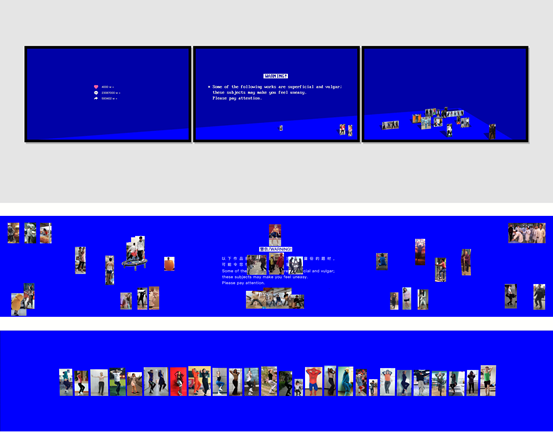
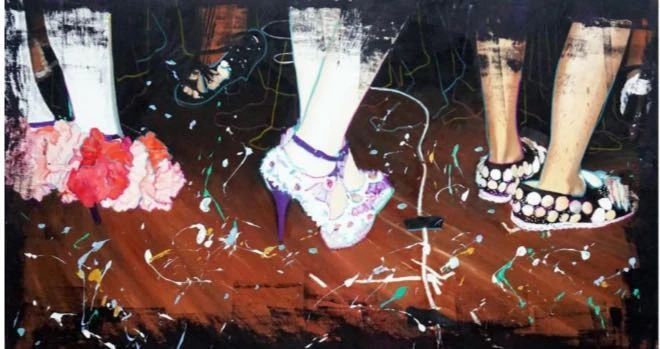
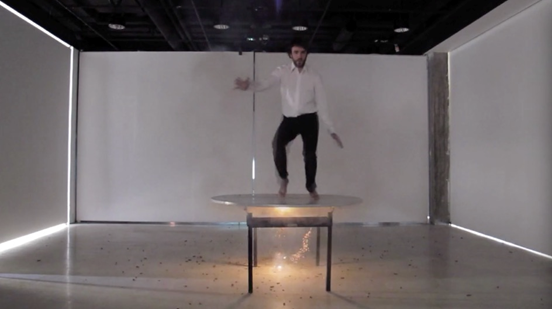
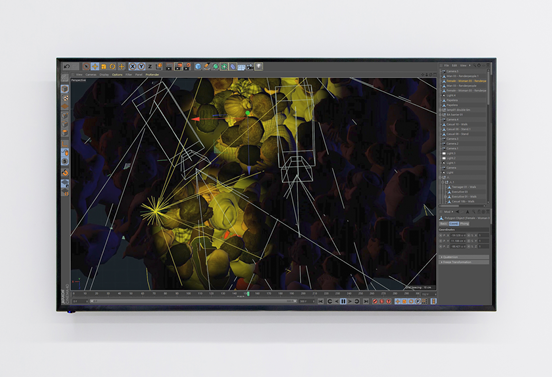

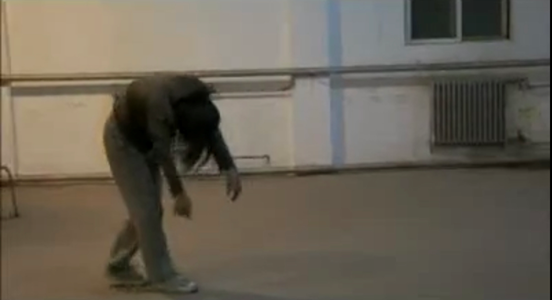
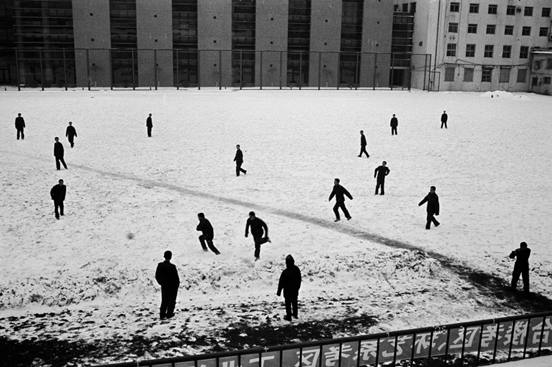
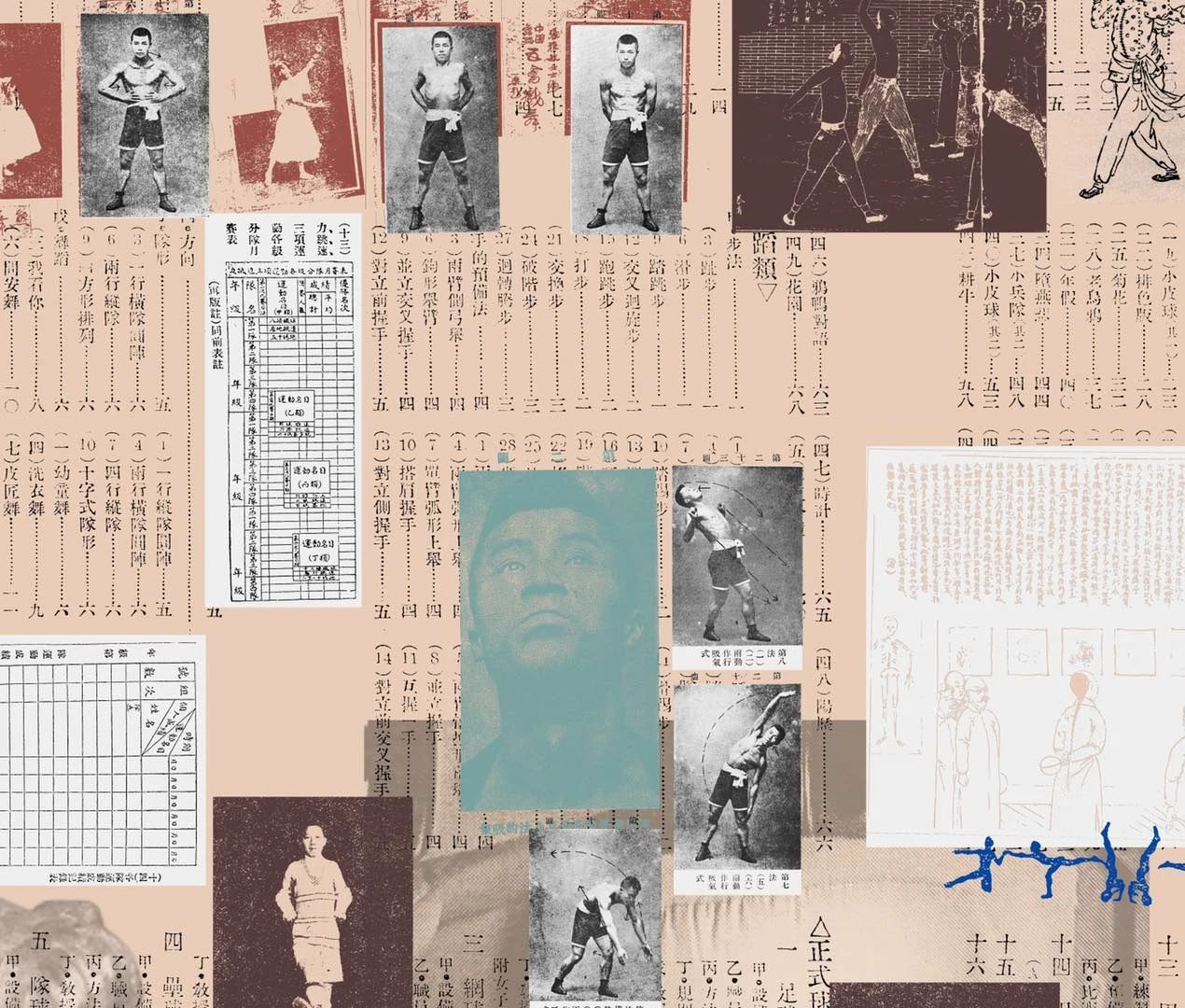
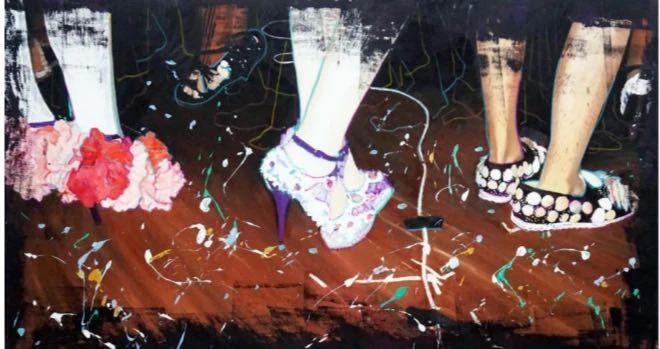
Wooton Gallery is pleased to announce the launch of the latest exhibition "Kung Fu or Disco: Entertainment from the Mass Era to Post-Technology" on October 1st. The exhibition will showcase works by nine artists: Hu Xiangqian, Jia Chun, Liu Lihong, Liu Qinmin, Emi Shimizu, Haimi Wash, Wang Ziquan, Zhang Yongji, and Zhang Zhaoying. Focusing on the modern transformation of martial arts and the sudden influence of disco culture, the exhibition explores the evolution of these two movements deeply impacted by technological development on public entertainment. Meanwhile, Wutong Space has transformed the exhibition hall into a dance hall and will host two parties.
We are pleased to announce that on October 1st Wooton Gallery will launch a new exhibition “Kung Fu or Disco?Entertainment from Mass to Post-Tech Era”. This exhibition will exhibit works by 9 artists including Hu Xiangqian, Jia Chun, Liu Lihong, Liu Qinmin, Megumi Shimizu, Rémi Voche, Zhang Yongji, Wang Ziquan, and Zhang Zhaoying. Starting from the modern transformation of martial arts and the sudden influence of disco culture, the exhibition will discuss the evolution of the two sports that have had a profound impact on popular entertainment with technological development. At the same time, Wooton Gallery will transform the exhibition hall into a ballroom and host two parties.
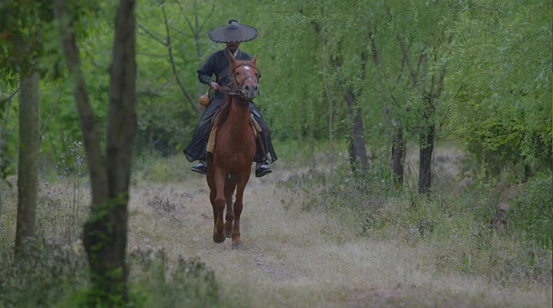
With the evolution of modern warfare, physical combat has long been replaced by technological wars, financial wars, and even cyber wars. Martial arts is called “Chinese Kungfu” in the West. Since the 1960s, along with the popularity of Kung Fu movies in Europe and America, it has become a popular entertainment and sport in the West. It has lost its original purpose of attack and self-defense, and has become a popular entertainment for health preservation and fitness. Martial arts represents an traditional production relationship, just like the traditional art which emphasizes genre, technique, practice and one-on-one teaching. In contrast ,Disco is a product of "modernity", characterized by low-tech, improvisation, openness, sociality, and non-genre. Almost at the same time when the "Kung Fu fever" was on the rise, Disco was born and swept the world. Since the 1980s, with the popularization of Hong Kong and Taiwan culture, it has become popular in the mainland.
The purpose of disco is generally to fight boredom, seek excitement or happiness, and expand social interaction. It shows that the greatest enemy of human beings is no longer other people, but the emptiness of their own heart. The popularity of martial arts is declining while the influence of disco has spread to street corners and become a localized popular entertainment. In the end, they existed in the same era and same country. They all reflect the helplessness caused by the changes of the times.