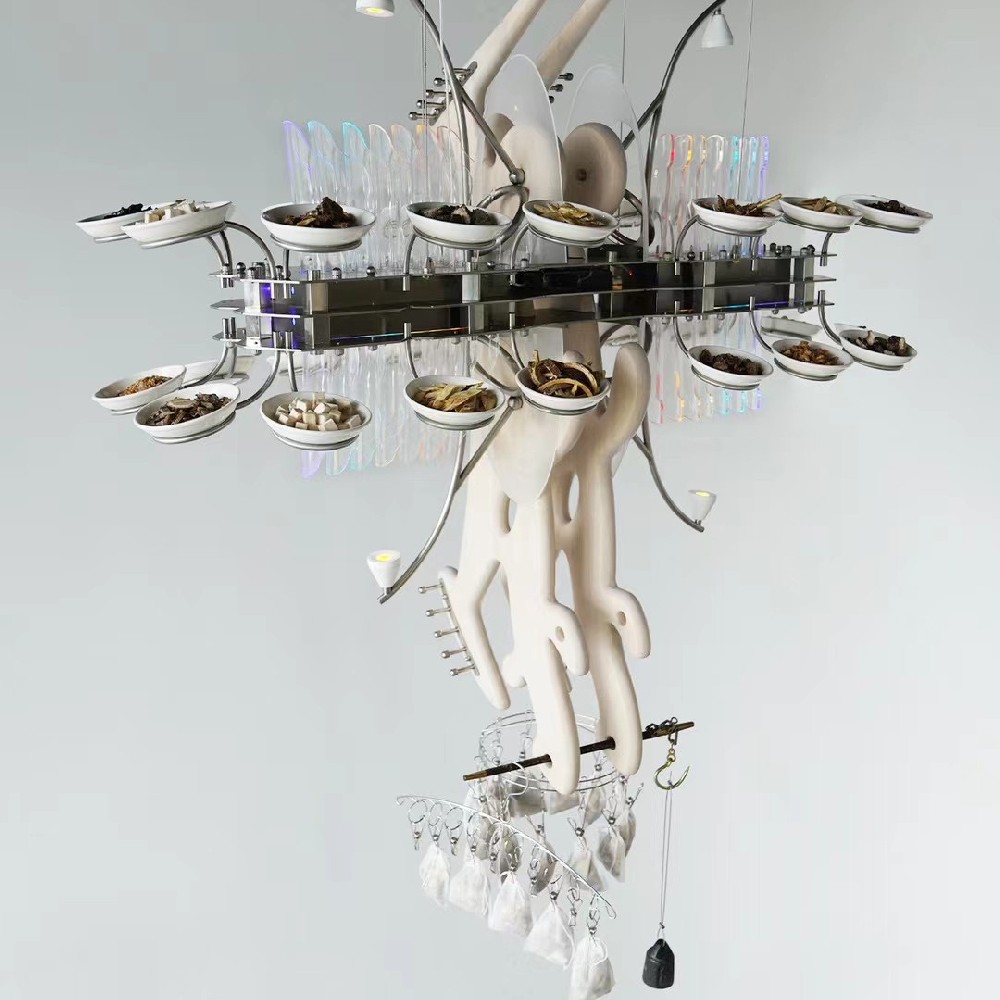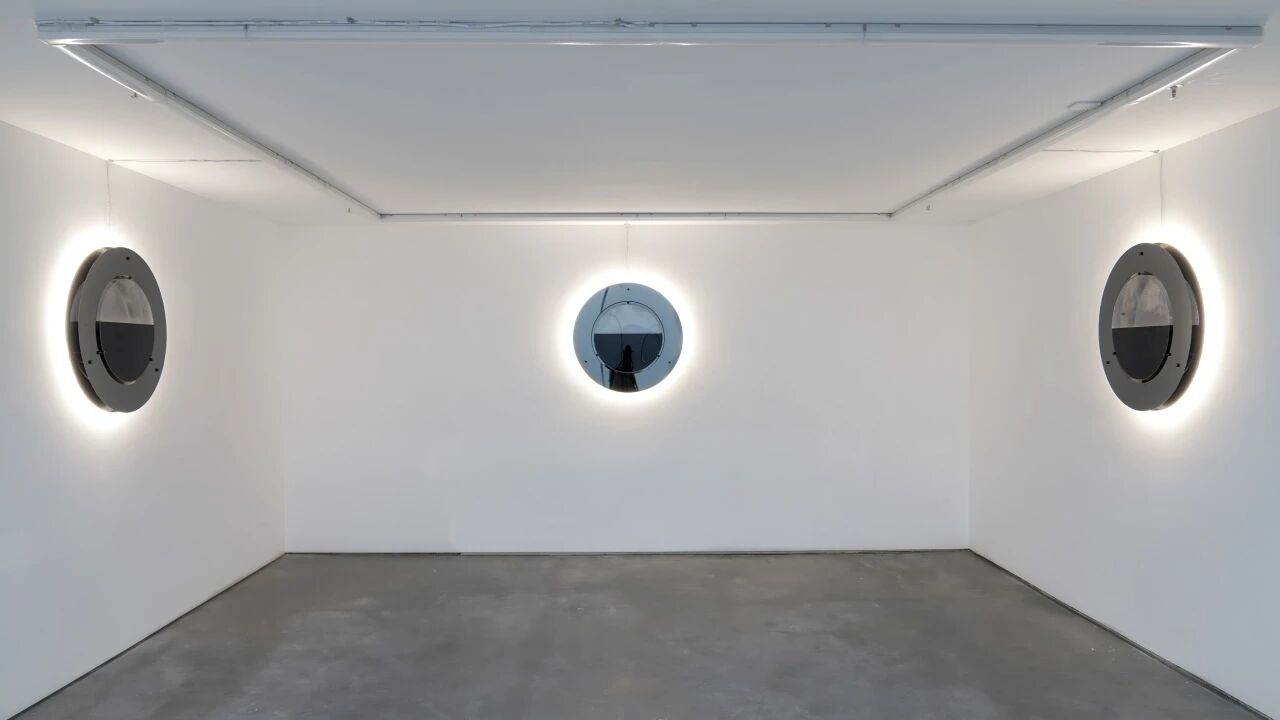
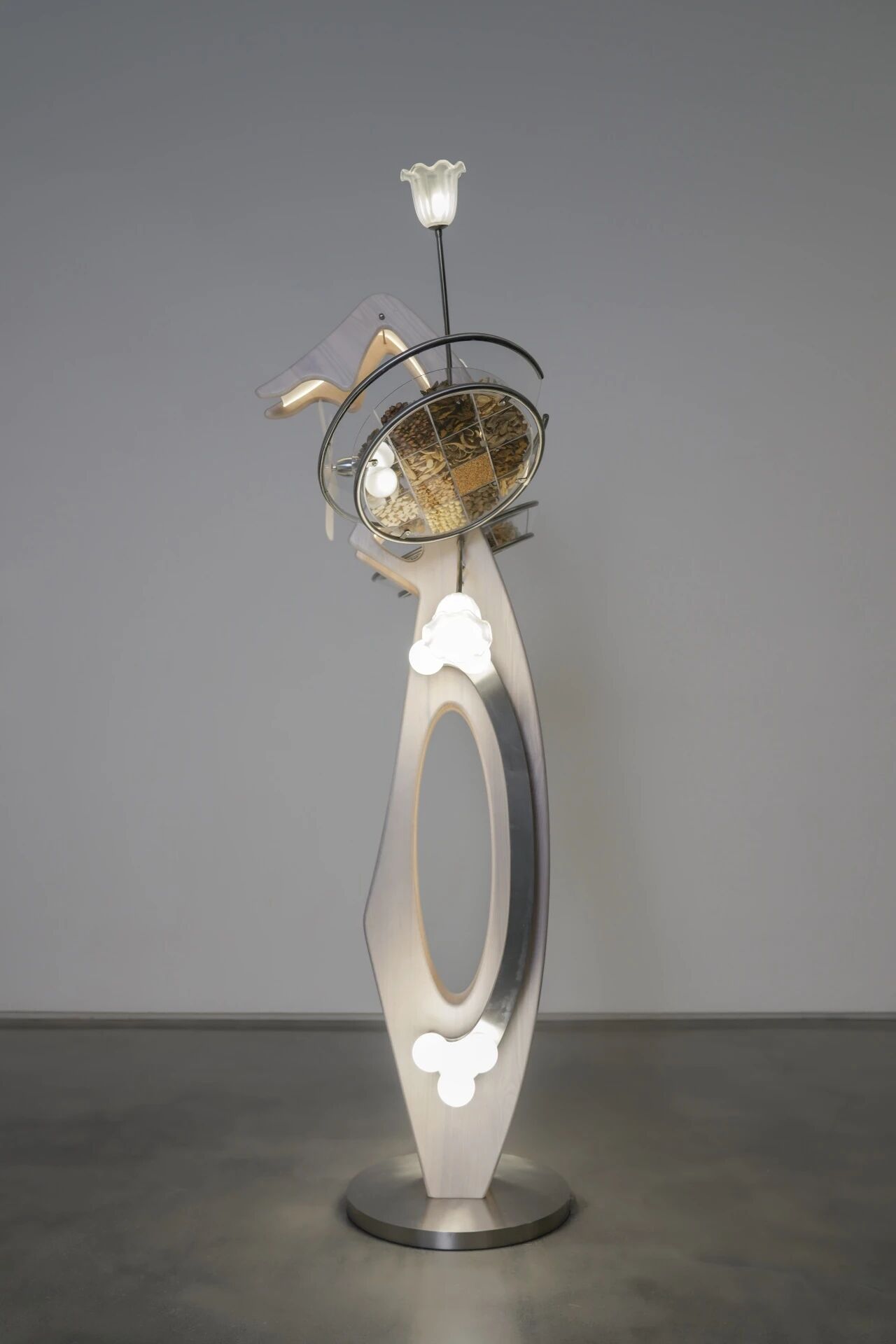
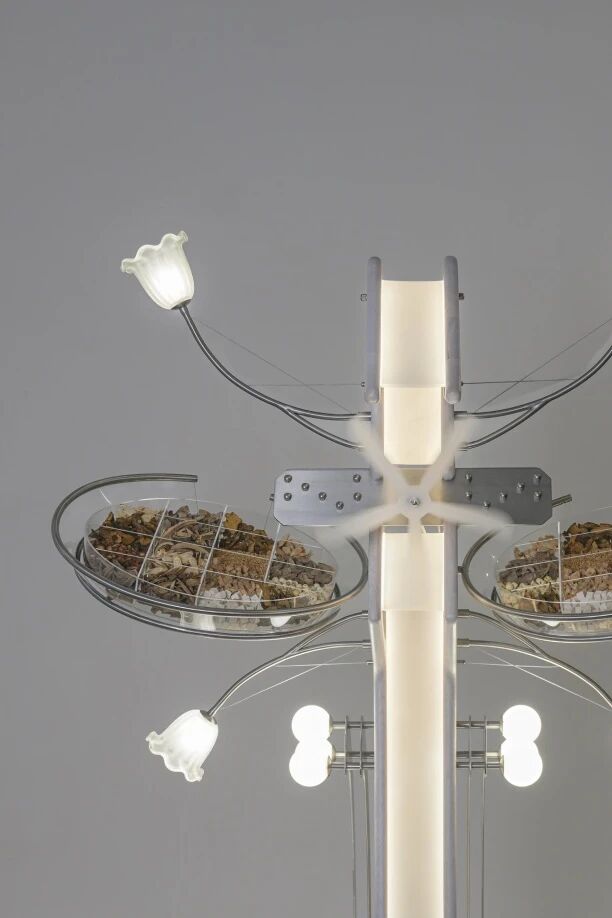
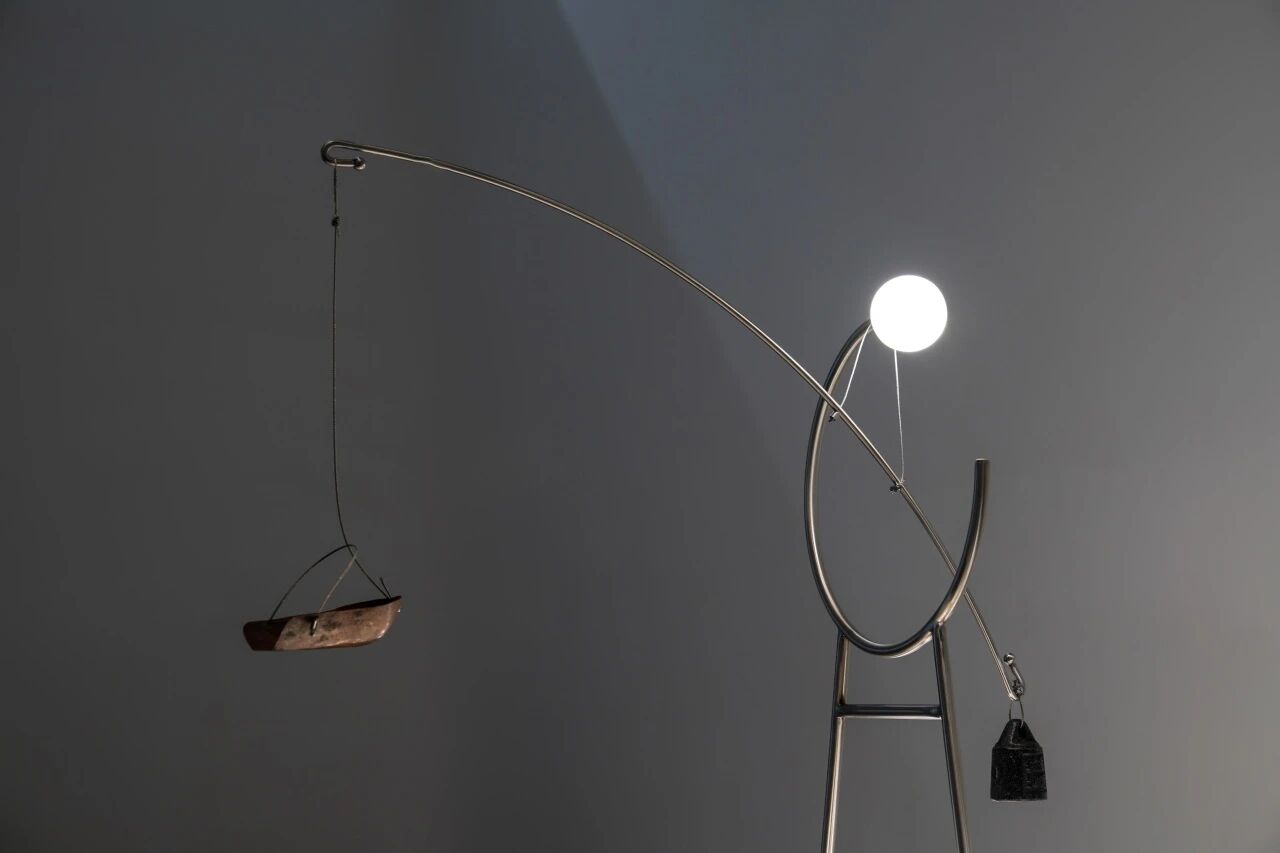
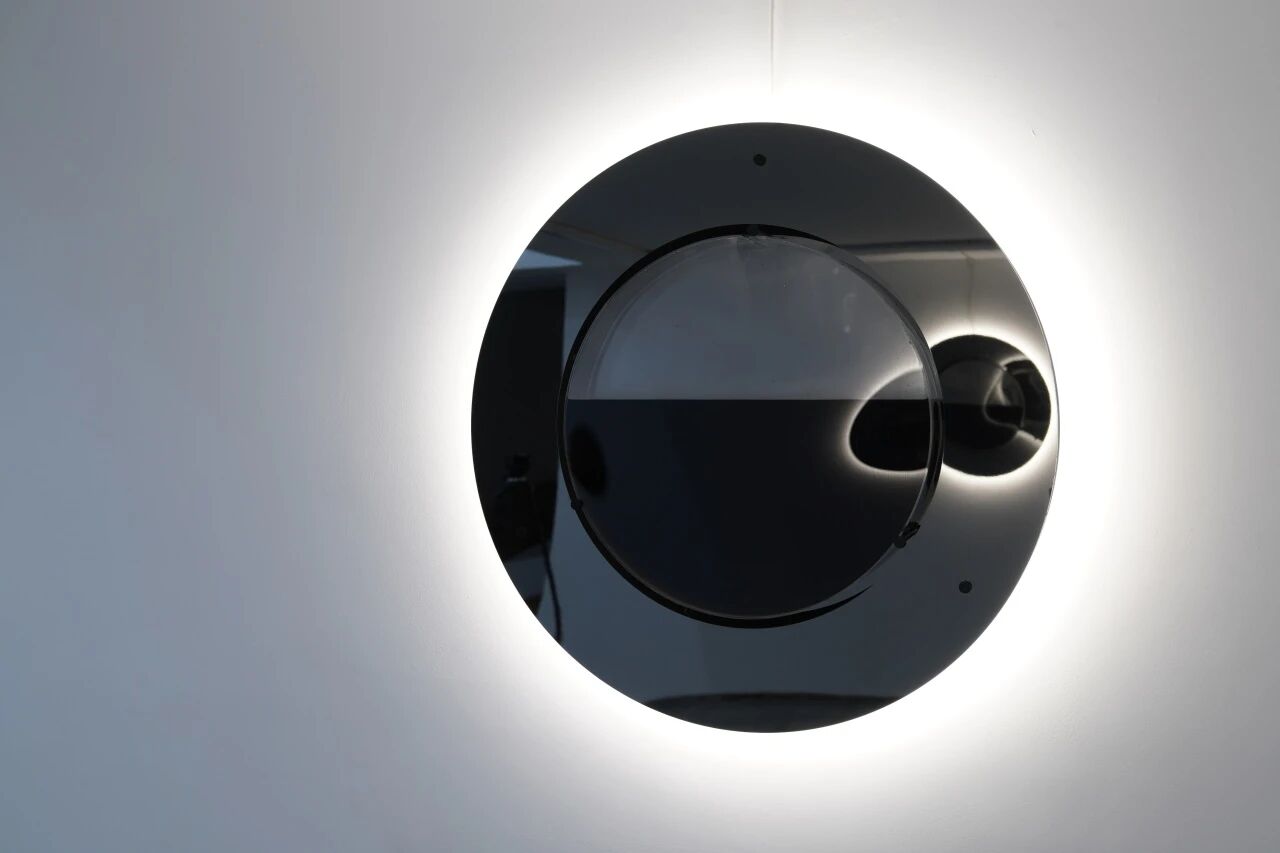
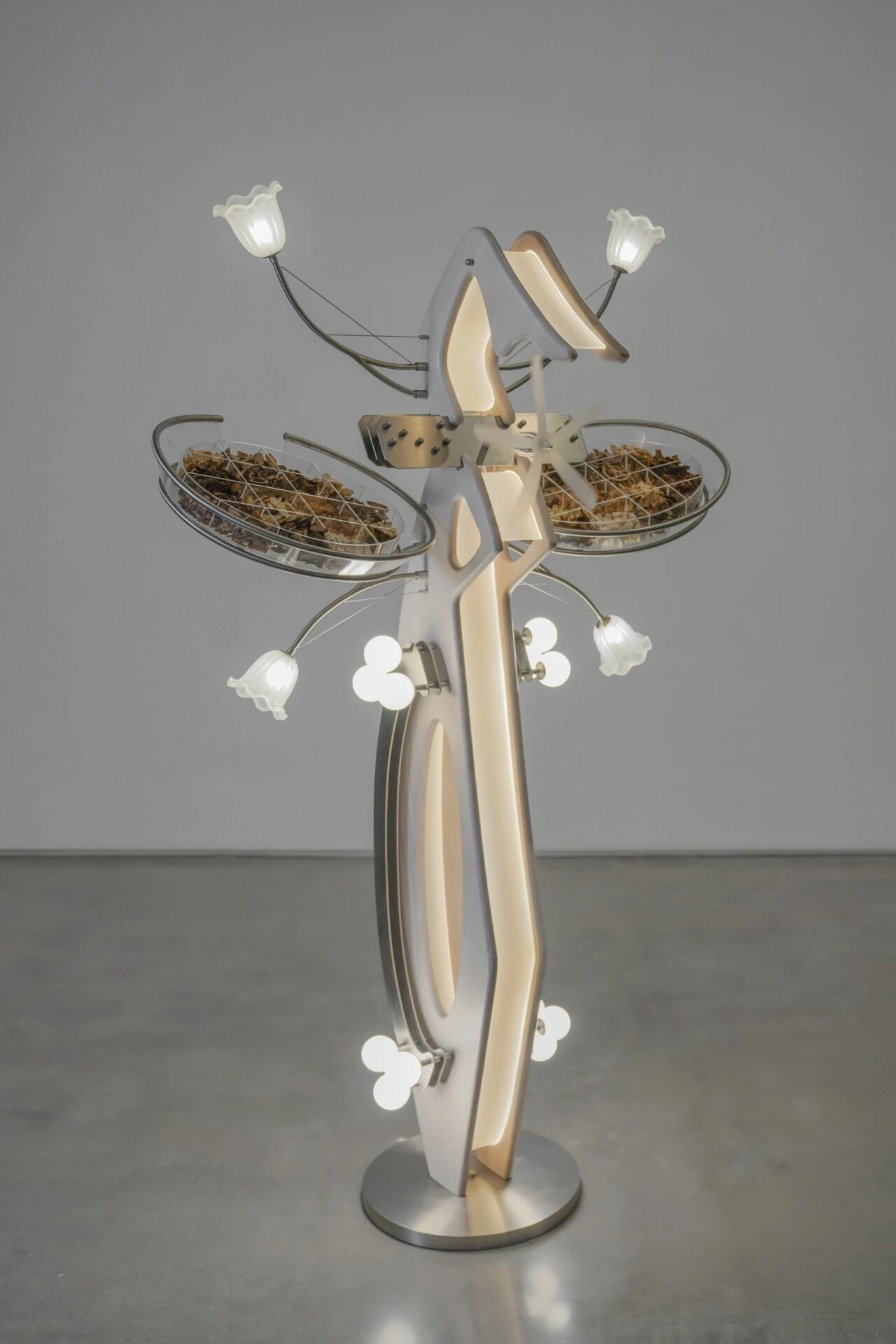
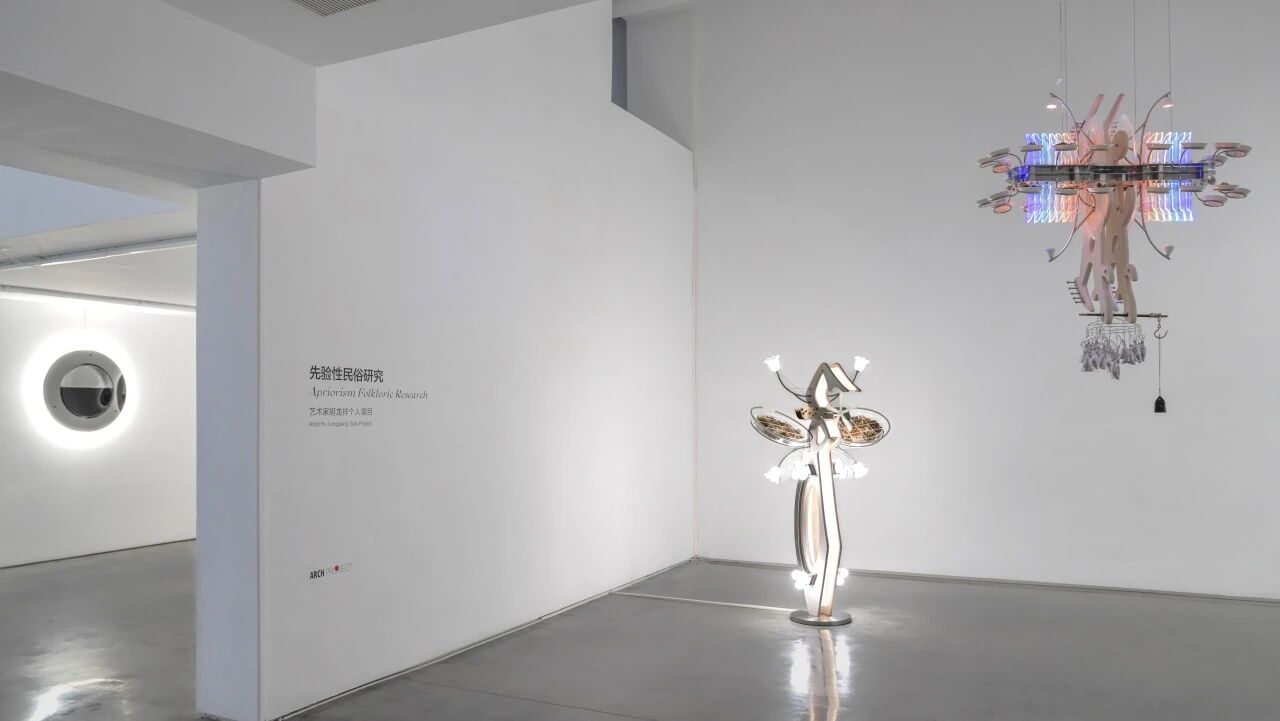
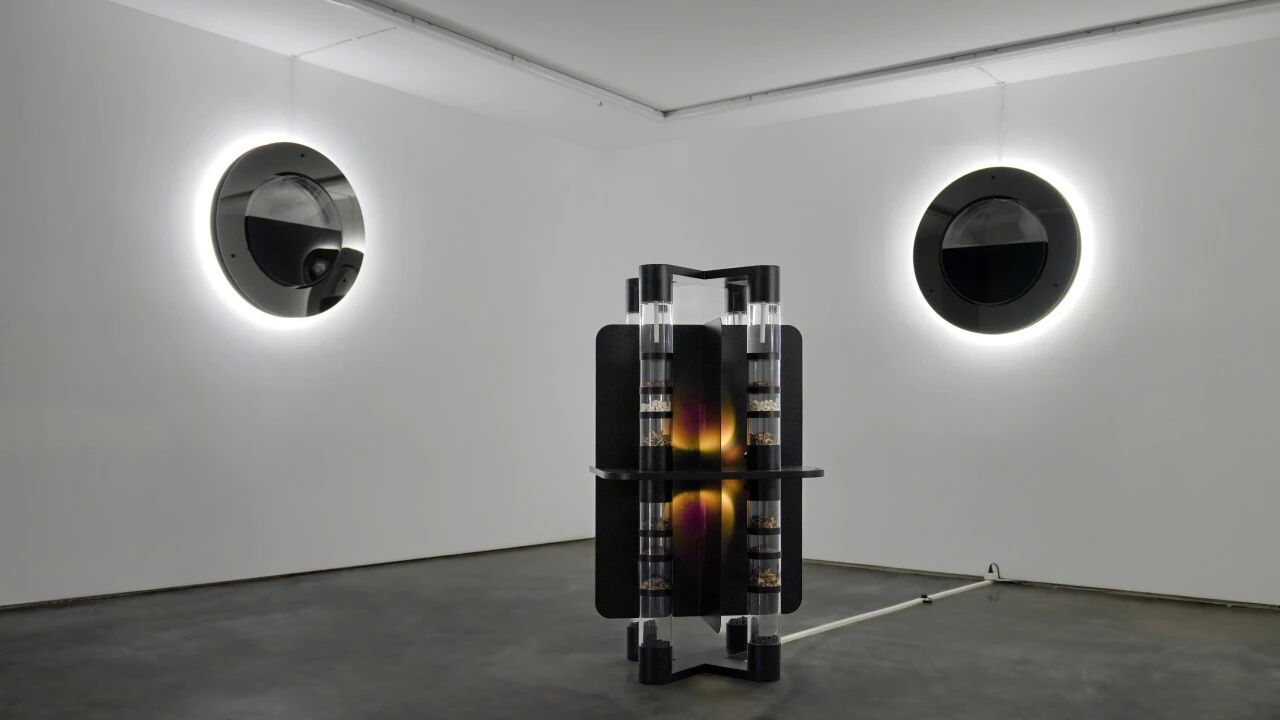
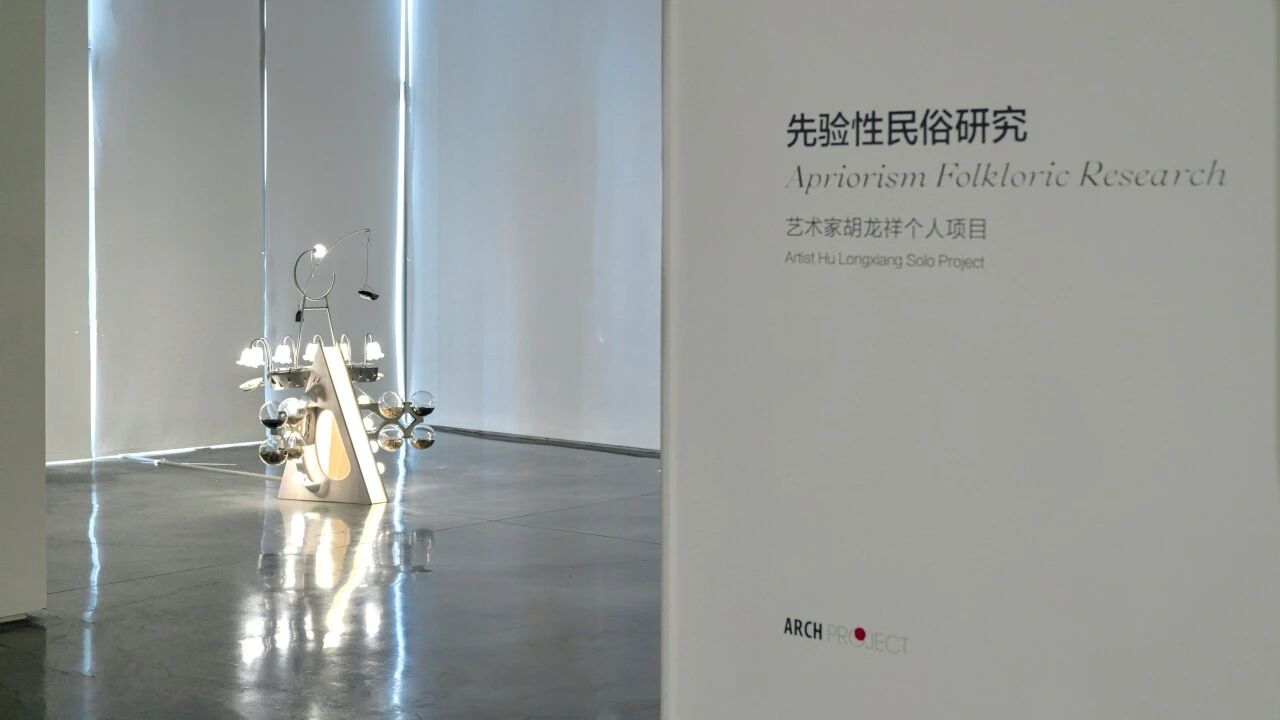
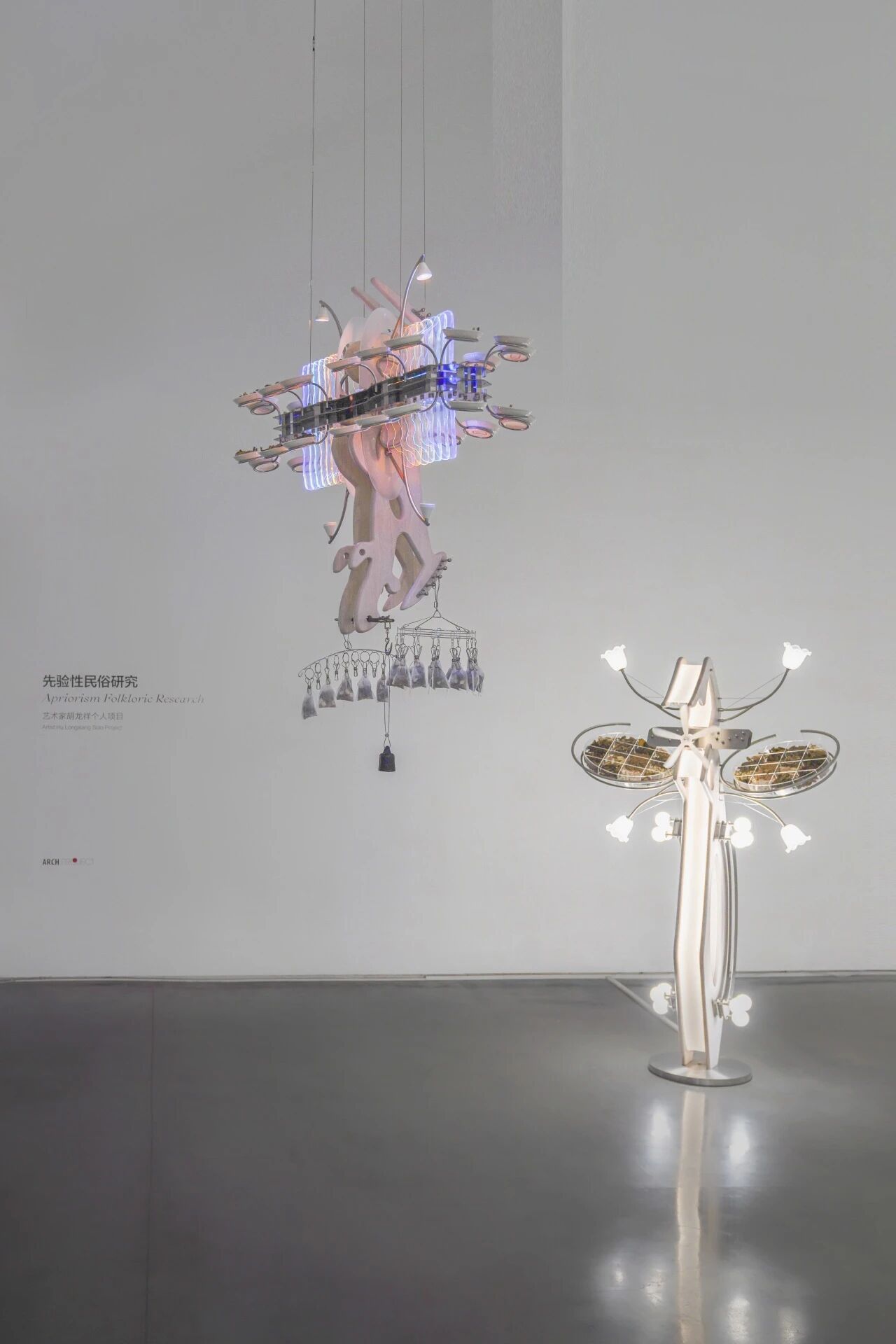
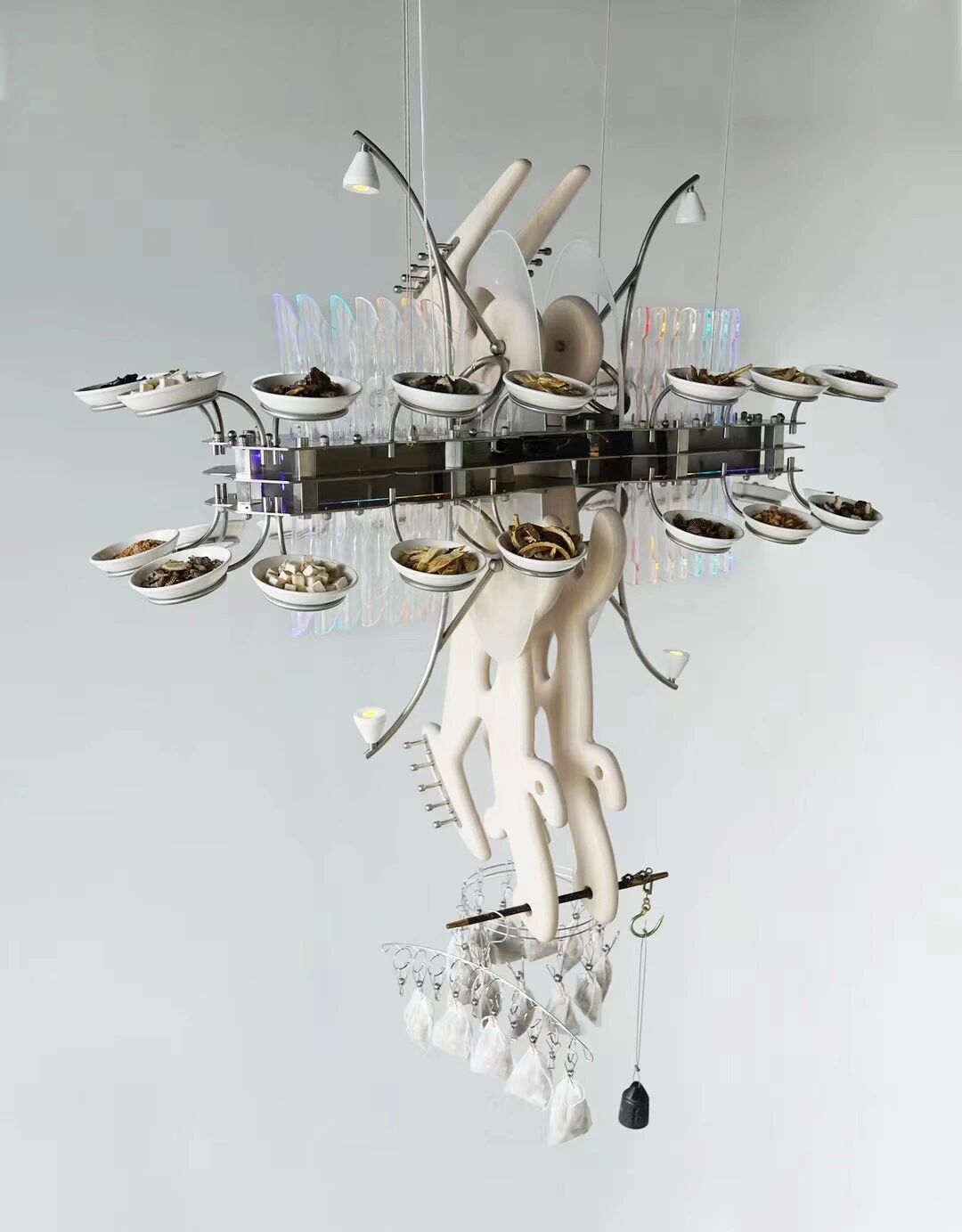
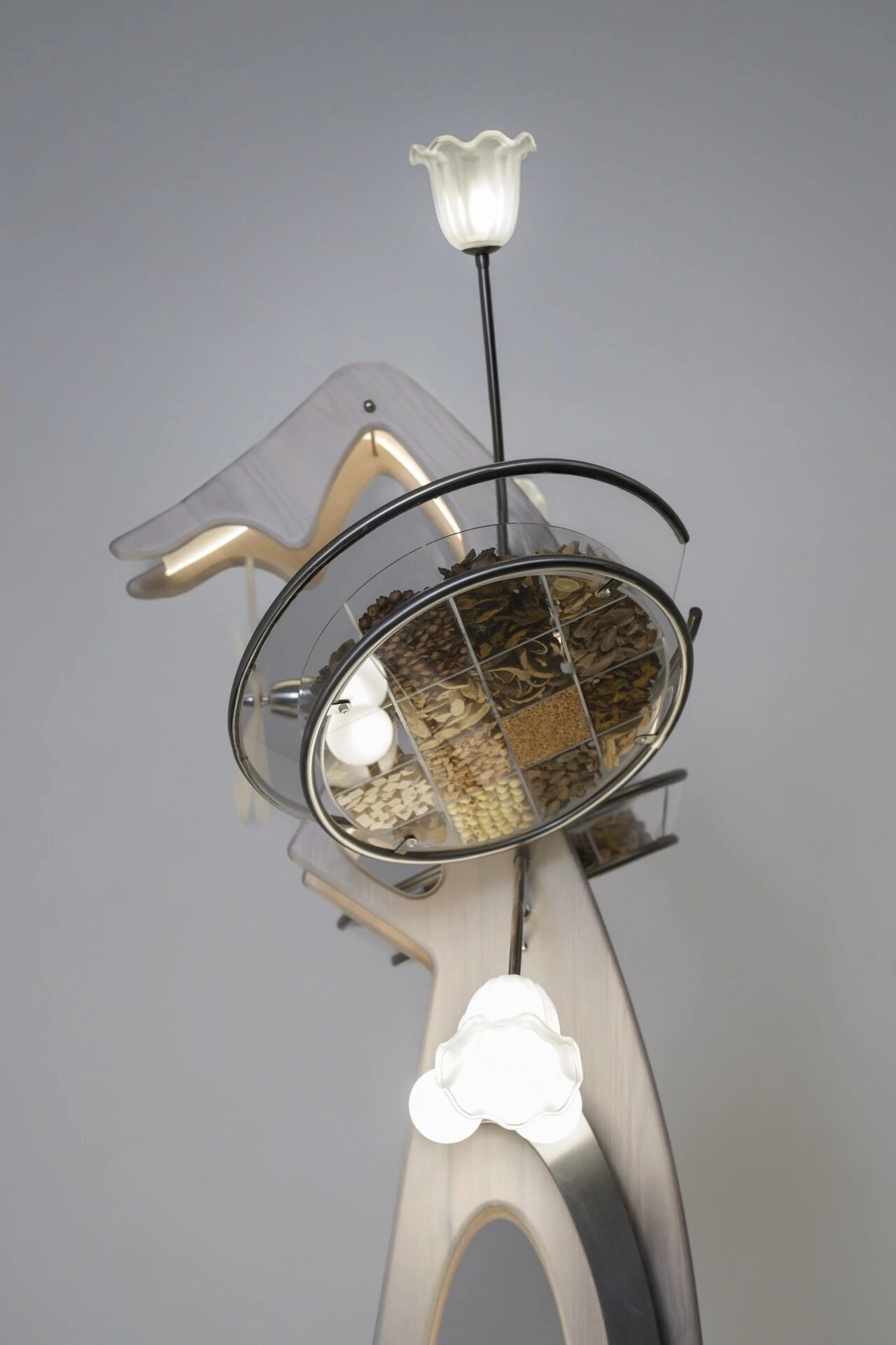
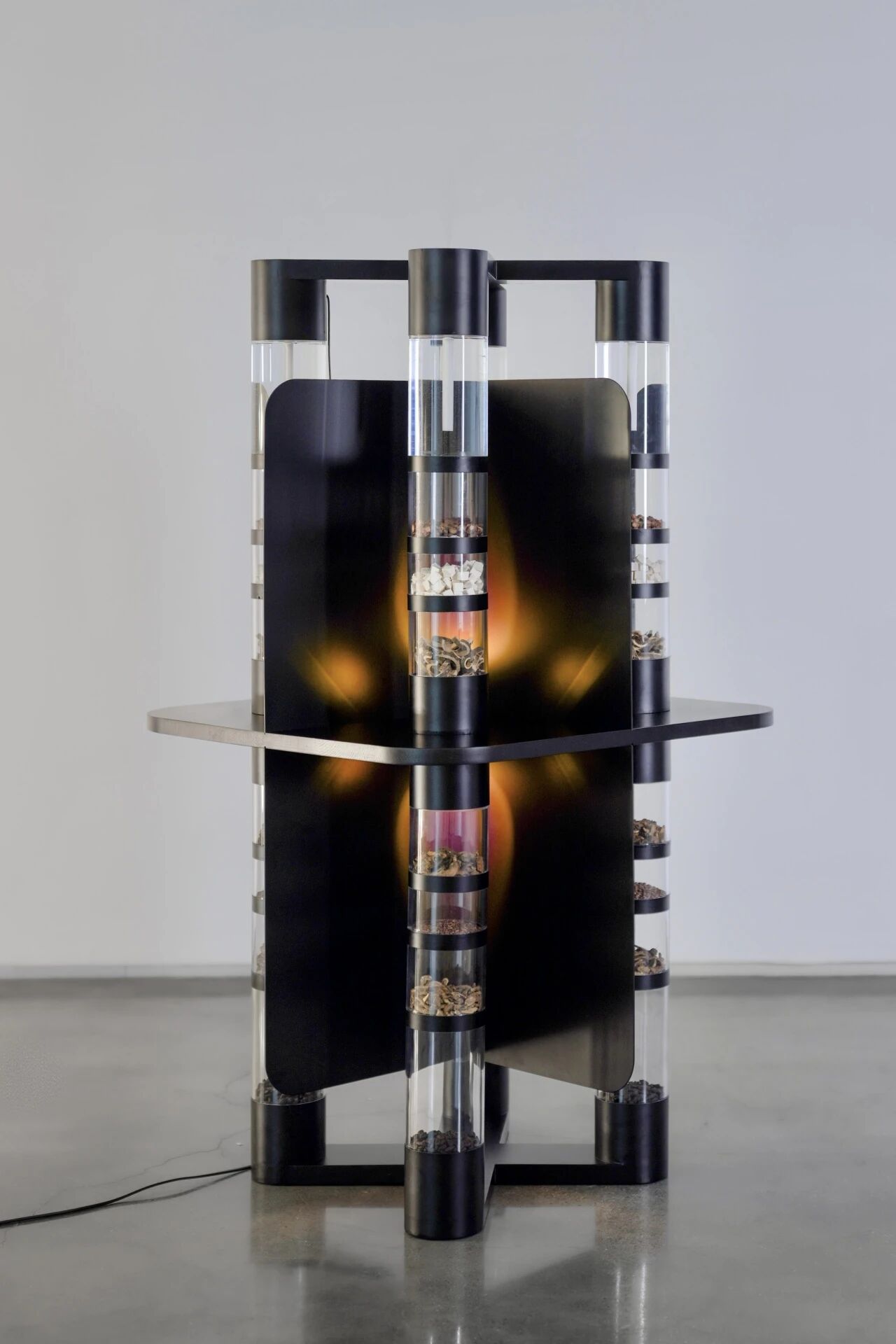
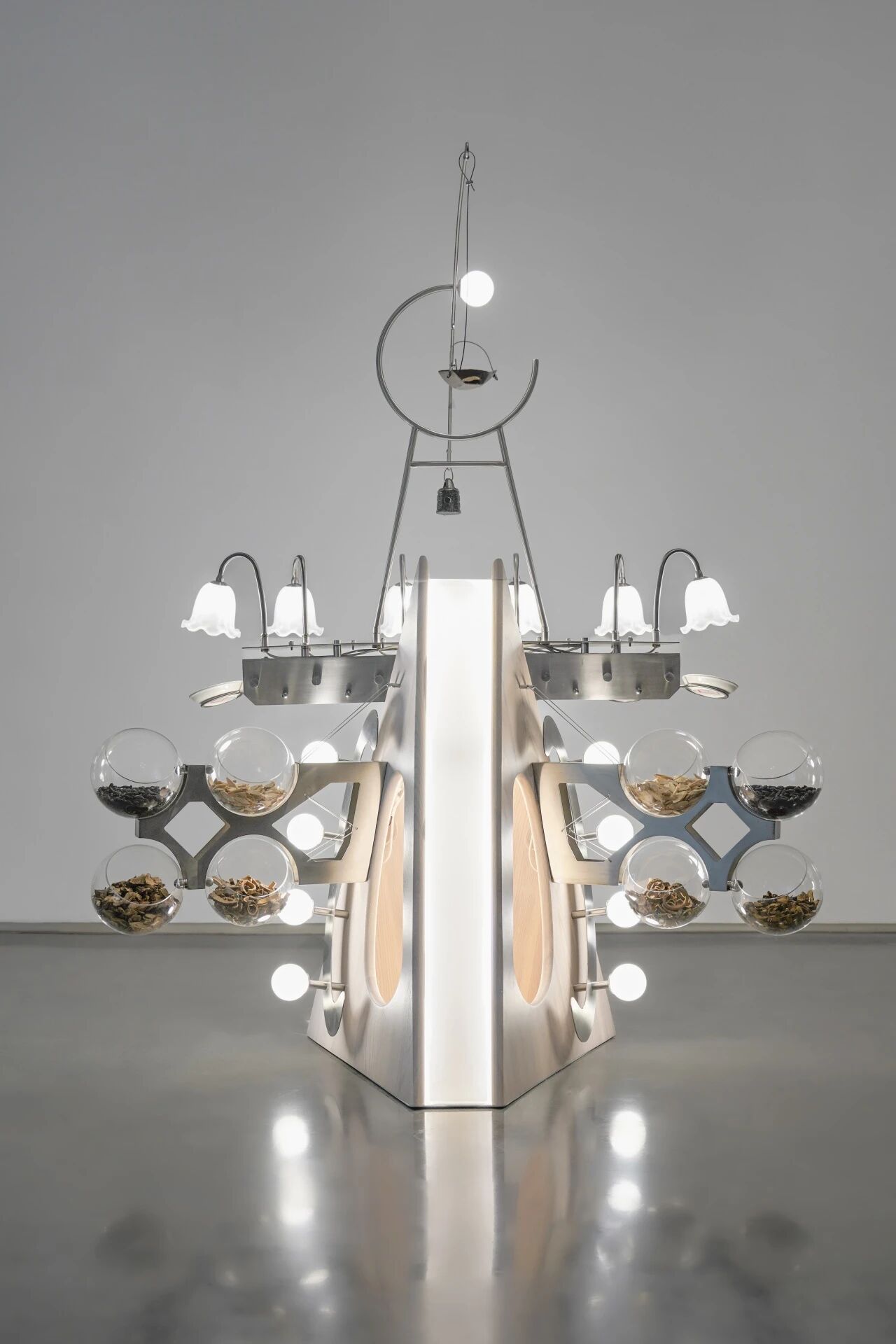

Arch Gallery is pleased to announce the opening of Hu Longxiang's solo project at Project Space on November 2nd. Since August, ARCH PROJECT has presented the prelude to the young artist's Transcendental Folkloric Research—featuring the initial work Gill-Like Mechanisms I, a visual translation of spectral detection of Chinese herbs. Applying transcendental concepts to traditional folklore studies, it reinterprets folklore from a transcendental lens, shifting research from empirical cognition to transcendental practice.
"Gill-like Mechanism" is a visual design project extended from the hyperspectral traditional Chinese medicine (TCM) detection technology proposed by the College of Robotics at Hunan University. This series comprises five lighting fixtures, which construct a set of daily household scenes based on their own functionality, simulating the usage/production process of Chinese medicinal herbs: detection, air-drying, storage, decoction, and finished medicinal soup. The project aims to explore the discrepancies and differences between the traditional forms of TCM and contemporary lifestyle habits. At the same time, through the colors, textures, shapes, and features employed in the project, it intertwines aesthetic consciousness in daily life, ancient medicinal materials, and modern scientific theories. Through visual forms of expression, it proposes a conceptual integration of the knowledge or sensory experiences of traditional Chinese medicine into modern lifestyles.
In the 2nd century AD, the earliest extant work of Chinese medicine, Shennong Bencao Jing (The Divine Farmer's Materia Medica), recorded 365 natural products used for medicine, meticulously categorizing them as "sovereign" (non-toxic herbs), "minister" (slightly toxic herbs), and "assistant/courier" (highly toxic herbs). It also introduced principles of compatibility and the concept of syndrome differentiation for medication use, laying the foundation for the basic theory and application framework of TCM pharmacology. After the establishment of the People's Republic of China, modern research and application of TCM pharmacology began to advance comprehensively through a series of policies and measures. However, many experts and scholars remain reserved or even skeptical about the clinical application and actual therapeutic effects of TCM. Moreover, most people find it difficult to tolerate the unpleasant tastes of TCM—such as sour, salty, sweet, bitter, and pungent—making modern chemical drugs, whether organic, inorganic, or extracted from biological products, the preferred choice for treating illnesses.
In today's era, aside from specific groups or professionals, our connection with traditional practices such as TCM seems to be diminishing. The rapid loss of folk culture and traditional customs is an unavoidable trend occurring worldwide—similar to the tattoo art of Batok in the Philippines, the classical vocal music of Agra gharana in Hindustan, and the mouth harp Angkuoch in Cambodia. With the relative maturity of modern industrialization, production techniques that do not align with current systems are inevitably abandoned for objective reasons. Simultaneously, amid the tide of information in the post-information society, methods that resist change and adhere rigidly to tradition may temporarily protect it, forming a so-called "cultural orthodoxy." However, such an approach is akin to cultivating an eternal flower in a sterile room—eventually becoming increasingly closed-off and uninteresting, ultimately incapable of engaging in dialogue across time.
Against this backdrop, I conceived the idea for this project. It is important to emphasize that the aim of "Gill-like Mechanism" is not to promote the nobility or uniqueness of TCM culture, nor to argue for its clinical feasibility. Instead, I hope to subtly yet powerfully convey multidimensional, subjective, and complex cultural concepts and their potential for transformation in an approachable manner, allowing people to spontaneously perceive the qualities and emotions embedded in the design field.